

Step outside in a Nebraska winter, and the air feels sharp and dry. Fast forward a few months, and summer brings thick, humid air that seems to cling to everything. That same swing happens inside your home, and it can affect more than your comfort. The best humidity level for Nebraska homes is pretty straightforward, but keeping it there year-round takes a little attention. Here’s how humidity works, why it matters, and what you can do to stay comfortable in every season.
What Is the Ideal Indoor Humidity Level?
The ideal indoor humidity level is between 30% and 50%. This range strikes a balance of comfort, health, and the condition of your home. When humidity drops below 30%, the air becomes dry enough to cause irritation. On the other hand, humidity above 50% can make your home feel muggy and damage your health and property. Staying within that middle range helps you feel more comfortable and protects your home without putting extra strain on your HVAC system.
How Nebraska’s Seasons Affect Indoor Humidity
Nebraska’s climate doesn’t make humidity control easy. During winter, your heating system runs often, which dries out the air even more. This is when humidity levels can drop well below the recommended range, leading to discomfort and dryness throughout your home. In summer, your air conditioner helps remove some moisture, but high outdoor humidity can still push indoor levels higher than ideal.
Because of these seasonal swings, maintaining the best humidity level means adjusting your approach throughout the year rather than relying on a single setting.
Signs Your Home’s Humidity Is Too High or Too Low
Both high and low humidity can cause problems, and the symptoms aren’t always easy to spot.
Signs of High Humidity
Look out for these signs that humidity levels may be too high:
- Condensation on windows and surfaces: Moisture collecting on glass or walls is a clear sign that indoor humidity is elevated.
- Musty or damp odors: Persistent smells can indicate excess moisture and possible mold growth.
- Sticky or heavy air: Rooms may feel warmer and more uncomfortable even when the temperature is set correctly.
- Visible mold or mildew: Dark spots in bathrooms, basements, or around vents can develop when moisture levels stay high.
- Peeling paint or warped wood: Too much humidity can affect walls, flooring, and furniture over time.
Signs of Low Humidity
Air that’s too dry is just as problematic. These signs can point to humidity levels that are too low:
- Dry skin and irritated sinuses: Low humidity can cause discomfort like chapped lips, dry skin, and scratchy throats.
- Static electricity: Frequent static shocks or clingy fabrics are common in overly dry air.
- Cracking wood or furniture: Floors, trim, and wood furniture can shrink or crack without enough moisture in the air.
- Frequent respiratory irritation: Dry air can make it harder to breathe comfortably, especially for those with allergies.
- Plants drying out quickly: Indoor plants may struggle or wilt faster when humidity levels are too low.
How to Maintain the Best Humidity Level for NE Homes
Keeping your home within that 30–50% range requires a few intentional steps over the year. Small changes in how you manage airflow and moisture can make a noticeable difference. Use everyday habits to help regulate moisture: running exhaust fans in kitchens and bathrooms, adjusting your thermostat settings, and making sure your home is properly ventilated. Still, Nebraska’s climate can make it tough to maintain consistent humidity using these methods alone.
Whole-Home Solutions for Better Humidity Control
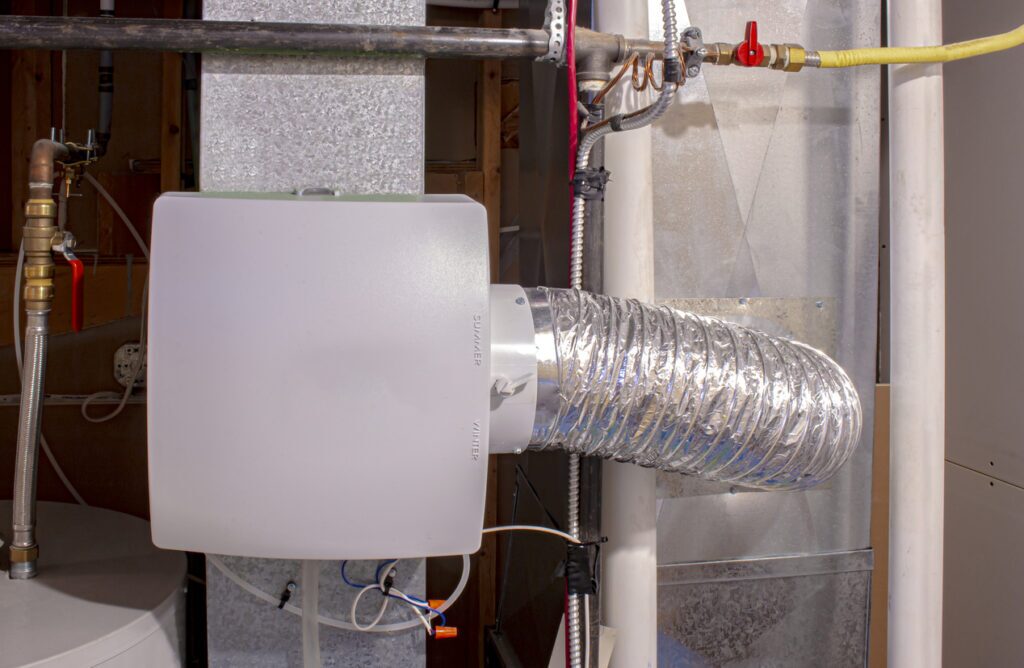
A complete indoor air quality approach focuses on balancing temperature, airflow, and moisture for consistent comfort. A whole-home humidifier works with your heating system to add moisture during dry winter months, helping prevent issues like static, dry skin, and cracking wood. On the flip side, whole-home dehumidifiers remove excess moisture during humid seasons, keeping indoor air from feeling heavy or damp.
Unlike portable units that only treat one room at a time, whole-home systems provide even, automatic control throughout your entire space. That means fewer fluctuations and less guesswork as the seasons change.
Stay Comfortable Year-Round With Thermal
Keeping your indoor humidity between 30% and 50% helps protect your home, improve comfort, and enjoy better air quality year-round. Maintaining the best humidity level for NE homes comes down to balance, which is not always easy with Nebraska’s changing seasons.
Thermal has been helping homeowners across the Omaha Metro achieve reliable comfort since 1968. With experienced, NATE-certified technicians, whole-home indoor air quality solutions, and dependable service day or night, you can trust our team to get your home’s air just right.
Schedule indoor air quality services with Thermal today to improve comfort and humidity control in your Omaha Metro home.