

When you live in Nebraska, it’s easy to watch temperatures rise across places like Dundee or the Old Market and wonder how to adjust your thermostat without wasting energy. You want your space to feel steady and pleasant, yet it can be tough to know which settings actually help. Thermal aims to guide you through the best thermostat practices so you can keep your house comfortable throughout the year.
Ideal Winter Thermostat Temperatures
Winter in Nebraska often brings long stretches of cold air, which makes a consistent schedule especially helpful. A general rule is to keep your indoor temperature close enough to the outdoor conditions to avoid sudden swings while still staying warm. Creating a routine helps your system run smoothly and prevents unnecessary strain.
Ideal winter thermostat schedule:
- Wake: Set a moderate temperature that eases you into the morning.
- At home: Keep it steady while you go about your day. Around 68 degrees Fahrenheit is recommended.
- Away: Lower it slightly to reduce energy use without letting your house get too cold.
- Evening: Raise it a bit to stay cozy as you wind down.
- Overnight: Drop it again to support restful sleep and reduce heating demand.
Benefits Of Programmable Thermostats
A programmable thermostat makes it easier to follow a winter or summer routine without constant adjustments. If you’re considering thermostat installation, these devices offer helpful tools that support consistency and indoor air quality.
A programmable thermostat offers:
- Automatic scheduling: Lets you set daily temperature patterns, so you don’t have to remember.
- Energy savings: Helps reduce unnecessary heating by adjusting temperatures when you’re away.
- Improved comfort: Keeps your home steady by preventing frequent temperature changes.
- User-friendly controls: Make it simple to update your routine as seasons shift.
Recommended Summer Cooling Settings
Nebraska summers can be warm and humid, so a thoughtful schedule helps maintain temperature without overworking your cooling system. The general guideline is to keep your indoor temperature slightly higher when you’re gone and lower it only when you’re home long enough to enjoy the change.
An ideal summer thermostat schedule is:
- Wake: Choose a temperature that feels refreshing as you start your day.
- At home: Keep it steady, generally 15-20 degrees cooler than outside, to avoid sudden cooling spikes.
- Away: Raise it a bit to reduce cooling demand.
- Evening: Lower it slightly to stay comfortable during downtime.
- Overnight: Adjust it to a level that supports restful sleep.
How Thermostat Settings Impact Efficiency
Your thermostat settings play a major role in HVAC efficiency. Many people think shutting off their system for long periods saves money, but that often leads to the opposite result. When your house gets too warm or too cold, your system must work harder to recover, which uses more energy and increases wear. A steady schedule prevents those heavy recovery cycles and keeps your equipment running more smoothly.
Smart Thermostat Features For Nebraska Homes
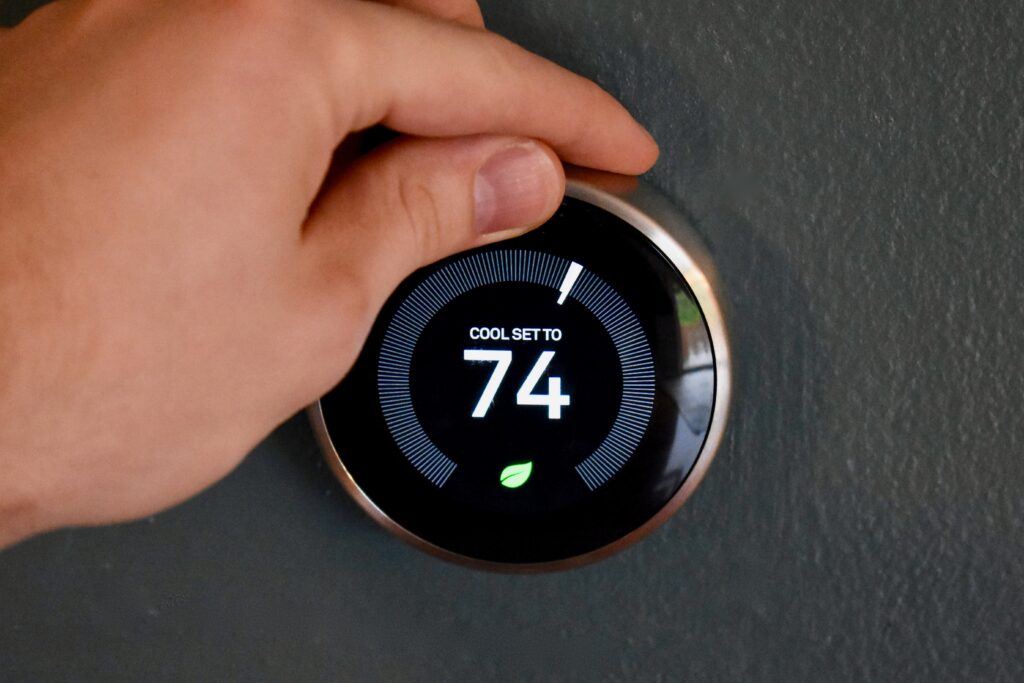
More Nebraska households are turning to smart thermostats because they offer helpful tools that adapt to your lifestyle. These devices learn your patterns and make small adjustments that support comfort and savings.
Useful smart thermostat features include:
- Learning technology: Tracks your habits and adjusts temperatures automatically.
- Remote access: Lets you change settings from your phone when plans shift.
- Energy reports: Shows how your usage changes over time so you can make informed choices.
- Geofencing: Adjusts temperatures based on your location to avoid unnecessary heating or cooling.
Improve Year-Round Indoor Comfort
A reliable thermostat schedule helps keep your home steady throughout Nebraska’s changing seasons. Thermal supports your smart thermostat service needs with licensed and insured professionals who focus on clear communication and dependable workmanship.
You can expect upfront pricing, background-checked technicians, and financing options that make upgrades easier. We also offer military, veteran, and senior discounts to help you manage costs while improving comfort.
Request service today to get expert help from a team you can trust.
Frequently Asked Questions
What Is The Best Thermostat Setting For Winter In Nebraska?
Most Nebraska houses stay cozy when winter settings follow a steady schedule that balances warmth and energy use. A moderate daytime temperature paired with a slightly lower overnight setting usually works well.
What Temperature Should Homes Be Kept At During Summer?
During summer, aim for a temperature that feels cool while still supporting HVAC efficiency. Raising it a bit when you’re away helps reduce cooling demand without sacrificing comfort when you return.
Can Smart Thermostats Help Lower Energy Bills?
Yes, smart thermostats can help lower energy bills by adjusting temperatures automatically and reducing unnecessary heating or cooling.
How Often Should Thermostats Be Replaced?
Most thermostats last around ten years, though upgrades may be worthwhile sooner if you want modern features or improved accuracy. If your device struggles to hold a steady temperature, it may be time to replace it.