

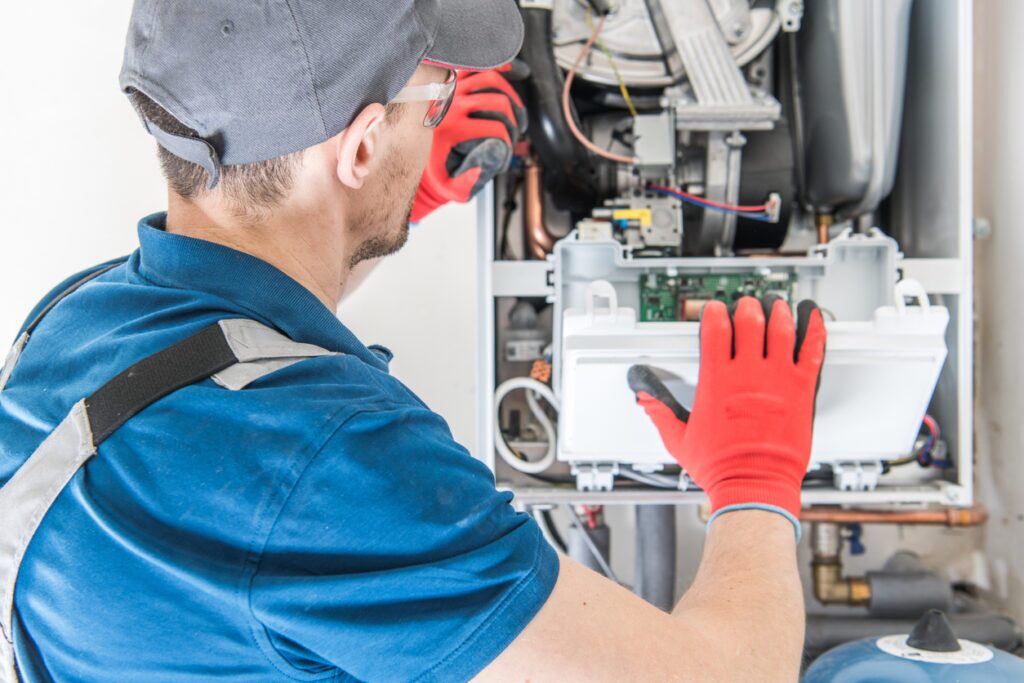
Strange smells coming from your furnace can be confusing and sometimes worrying. Some odors are harmless and happen when the system first turns on. Others can signal a real problem that needs attention. Knowing the difference helps you stay safe and avoid bigger heating issues later.
Below are common furnace smells you should never ignore and what they may mean.
Common Furnace Odors & What They Mean
1. Burning Dust Smell
A dusty, burning smell often happens when you first turn on the furnace for the season. Dust settles inside the system during warmer months. When the furnace starts running again, that dust burns off.
This smell should fade within a few hours. If it continues for days, the system may be dirty, or the filter may be clogged. A technician can inspect and clean the system if needed.
2. Burning Plastic or Electrical Smell
A sharp smell like burning plastic or hot wiring is not normal. This could mean overheating parts, damaged wiring, or a failing motor.
Turn off the furnace and call for service right away. Electrical problems can damage the system and may create safety risks if ignored.
3. Musty or Moldy Smell
A damp, musty smell can point to moisture inside the furnace or ductwork. Mold or mildew may be growing in the system, especially if airflow is restricted or humidity is high.
This smell will not go away on its own. A technician can check for moisture problems, clean affected areas, and improve airflow.
4. Rotten Egg or Gas Smell
A sulfur or rotten egg smell may mean a gas leak. Natural gas is odorless, but a chemical is added to help you detect leaks.
If you notice this smell:
- Turn off the furnace
- Leave the home immediately
- Do not use lights or electronics
- Call for professional help
Gas leaks are serious and should never be ignored.
5. Strong Burning Smell That Gets Worse
If the furnace smells like something is actively burning and the smell keeps getting stronger, shut the system off. This could mean overheating, blocked airflow, or failing internal parts.
Ignoring this can lead to system damage or a complete breakdown.
6. Oil or Mechanical Smell
If your furnace smells oily or mechanical, it may need lubrication, or internal parts may be wearing out. Older systems sometimes develop this smell when components begin failing.
A technician can inspect the system and prevent further wear.
7. Metallic or Hot Metal Smell
A hot metal smell sometimes happens when the furnace heats up after sitting unused. This can be normal for a short time. However, if the smell keeps returning, the system may be overheating, or airflow may be restricted.
A dirty filter, blocked vents, or a blower issue can cause overheating.
When Furnace Smells Mean You Need Service
Call for heating services if:
- The smell lasts more than a day
- The odor gets stronger over time
- You smell burning plastic, wiring, or gas
- The furnace shuts off unexpectedly
- You notice smoke, loud noises, or poor heating
Ignoring warning signs can allow small problems to turn into major repairs. A professional inspection helps find the cause early and keeps your heating system running safely.
8 Causes of Low Water Pressure in Your Home
Low water pressure is a common problem in many homes. It can make showers weak, slow down sinks, and make everyday tasks frustrating. Sometimes the issue is simple. Other times, it may signal a plumbing problem that needs attention.
Below are common causes of low water pressure and what they mean for your home.
Causes of Low Water Pressure in Your House
1. Clogged Pipes
Over time, minerals, rust, and debris can build up inside pipes. This buildup narrows the pipe opening and reduces water flow.
Older homes often experience this problem more frequently. A plumbing inspection can help determine if buildup is restricting your water flow.
2. Leaks in the Plumbing System
A hidden leak can reduce water pressure throughout your home. When water escapes from the system, less water reaches your fixtures.
Signs of a leak may include:
- Higher water bills
- Damp areas or water stains
- Mold or mildew smells
- Constant running water sounds
Leaks should be repaired quickly to prevent damage and restore proper pressure.
3. Faulty Pressure Regulator
Some homes have a pressure regulator that controls incoming water pressure. If this device fails, water pressure can drop suddenly across the entire home.
A technician can test the regulator and replace it if needed.
4. Mineral Buildup in Fixtures
Low pressure may only affect one faucet or shower. This often happens when mineral deposits clog the aerator or showerhead.
Cleaning or replacing the fixture may restore normal flow.
5. Partially Closed Valves
Your home has main shutoff valves that control water flow. If one is not fully open, water pressure can drop.
Check that:
- The main water valve is fully open
- The meter valve is fully open
If unsure, a technician can inspect and adjust safely.
6. Problems With the Water Supply Line
The main water line brings water from the street into your home. If this line is damaged, clogged, or leaking, water pressure may drop throughout the house.
Water line issues often require professional repair.
7. Corroded Plumbing Pipes
Older metal pipes can corrode over time. Corrosion reduces pipe diameter and restricts water flow.
If corrosion is severe, pipe replacement may be recommended.
8. Municipal Water Supply Issues
Sometimes the problem is not inside your home. Local water supply problems, maintenance work, or high demand in your area can temporarily reduce pressure.
If your neighbors are experiencing the same issue, the problem may be outside your plumbing system.
When Low Water Pressure Needs Professional Help
Contact a plumbing professional if:
- Pressure drops suddenly
- Only hot or cold water is affected
- Water pressure continues getting worse
- You suspect a hidden leak
- Multiple fixtures lose pressure at once
Low water pressure may seem minor, but it often points to a larger plumbing issue. Fixing the cause early can prevent pipe damage, leaks, and costly repairs.
Schedule Heating & Plumbing Service Today
Strange furnace smells and low water pressure are both signs that your home systems may need attention. Ignoring warning signs can lead to bigger problems, unexpected breakdowns, and costly repairs.
Thermal has provided trusted heating, air, and plumbing services since 1968. Our licensed and insured technicians service all brands and use clear, upfront pricing so you always know what to expect. We offer same-day service, free replacement quotes, and financing options for qualifying customers.
If you notice unusual furnace odors or ongoing water pressure problems, contact Thermal today to schedule professional service and keep your home running safely and reliably.