

Your water heater works hard behind the scenes every day, delivering hot water for showers, laundry, dishes, and more. But over time, sediment from minerals in the water builds up inside the tank and heating components, gradually reducing efficiency and increasing wear. Flushing your tank helps clear out this buildup and keep your system running efficiently. It’s a key part of routine water heater maintenance that many homeowners overlook.
As the preferred provider of plumbing services in the Omaha Metro since 1968, we’re breaking down how often to flush a water heater, what flushing actually does, signs your system might need it, and whether it’s a DIY job or better left to the pros.
Why Do I Need to Flush My Water Heater?
Water heater flushing is the process of draining the unit to remove sediment that collects inside over time. This sediment, which is mostly made up of minerals like calcium and magnesium, settles at the bottom of the tank or on heating elements, especially if you live in a hard water area like Nebraska. As sediment builds up, it acts as an insulator and forces the system to work harder to heat the water.
Ignoring sediment buildup can lead to a number of issues, including:
- Reduced efficiency: Your water heater may take longer to heat water, using more energy in the process.
- Noisy operation: Popping or rumbling sounds are common when heat gets trapped under a layer of sediment.
- Higher energy bills: Your water heater needs more fuel or electricity to overcome the insulating effect of sediment.
- Shorter system lifespan: Overheating caused by blocked heating surfaces can weaken components and lead to early failure.
Flushing is a simple but powerful way to clean your water heater and help it perform like it should.
How Often Should I Flush My Water Heater?
Flushing once per year is a good rule of thumb for most standard tank water heaters. This keeps sediment from building up and helps your unit operate more efficiently.
You may need to flush your water heater more frequently if:
- You have especially hard water
- Your home uses a high volume of hot water
- You notice issues like strange noises, discolored water, or reduced hot water supply
Delaying water heater flushing allows sediment to harden and become more difficult to remove. In extreme cases, the buildup can lead to overheating, pressure issues, or even tank leaks. Annual water heater maintenance, including a full flush, can help you avoid those costly surprises.
If you’re unsure how often to flush a water heater for your specific unit, check the owner’s manual or consult a professional.
Signs Your Water Heater Needs Flushing
When your water heater is struggling with sediment buildup, it will give you clear signs that a flush is overdue. Watch out for these symptoms:
- Strange noises: A popping, rumbling, or crackling sound may indicate sediment heating up and moving around in the tank.
- Discolored or rusty water: This could be a sign that sediment or corrosion has built up inside the tank.
- Inconsistent hot water: If your hot water runs out faster than usual, sediment may be taking up space in the tank.
- Longer heating times: Your system may struggle to heat water efficiently if sediment is covering the heating element.
- Increased utility bills: Poor efficiency means your water heater is using more energy than necessary.
These warning signs suggest it’s time for a water heater flushing, and potentially a closer look from a licensed technician to prevent more serious issues.
Do I Need to Flush My Tankless Water Heater?
While tankless water heaters don’t store water like traditional models, they are still vulnerable to mineral buildup. Instead of sediment settling at the bottom of a tank, tankless units experience scale accumulation on their internal heating elements. This buildup reduces efficiency, shortens the system’s life, and can cause malfunctions if left untreated.
Most manufacturers recommend flushing tankless water heaters every 12 to 18 months. If your home has hard water, you might need to do it more often. Flushing a tankless system involves circulating a descaling solution (often vinegar or a specialized product) through the system using a pump. Because the process requires disassembly and specific equipment, many homeowners prefer to have a professional handle it.
Can I Flush My Water Heater Myself or Should I Call a Professional?
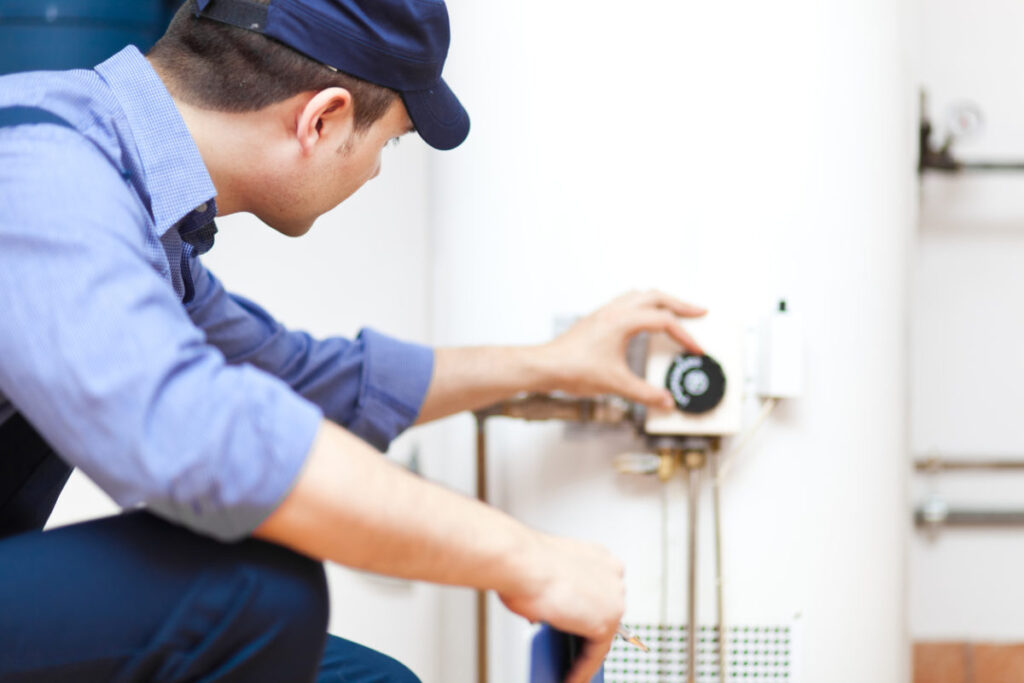
Flushing a water heater can be a straightforward DIY task under the right conditions. If you’re comfortable shutting off water and power to the unit and know how to safely operate the drain valve, it may be something you can handle on your own.
You may be able to flush your water heater yourself if:
- The unit is relatively new and regularly maintained
- The drain valve works properly and isn’t leaking
- You’ve flushed the system before and understand the steps
It may be best to leave the job to a professional if:
- The water heater is old and hasn’t been flushed in years
- The drain valve is stuck or leaking
- You notice rust or corrosion around the unit
- You’re unsure how to complete the process safely
In these cases, calling a licensed technician is the safest move. A professional can not only flush the tank, but also inspect the anode rod, heating elements, and other internal components to make sure everything is working as it should.
At Thermal, our technicians have the tools and experience to perform thorough water heater cleaning and maintenance, helping you avoid unexpected repairs or premature replacements.
Schedule Water Heater Flushing With Thermal
Flushing your water heater is one of the simplest and most effective ways to improve its performance, reduce energy waste, and extend its lifespan. Whether you have a gas water heater, electric water heater, or a tankless model, regular flushing is a key part of smart home maintenance, especially in areas with hard water like the Omaha Metro.
The team at Thermal offers professional water heater flushing, cleaning, and full maintenance services to keep your system running reliably year-round. With same-rate residential service day or night, licensed and insured technicians, and over 55 years of experience, you can count on us for dependable service that keeps your hot water flowing.
Contact Thermal today to schedule water heater flushing and maintenance in the Omaha Metro area.
FAQs About Water Heater Flushing
Will flushing my water heater improve water pressure?
Flushing won’t directly improve water pressure, but it can help if sediment buildup is clogging internal components or restricting flow. If your water pressure is still low after a flush, the issue may be elsewhere in your plumbing system.
Is it normal to see cloudy water after flushing a water heater?
A short period of cloudy or slightly discolored water after flushing is normal and usually caused by air bubbles or stirred-up sediment. It should clear after running the tap for a few minutes. If not, contact a technician to inspect the system.
Can flushing a water heater prevent leaks?
Flushing helps reduce corrosion and pressure buildup that can lead to leaks over time. While it won’t stop all leaks, regular flushing is an important part of preventing premature wear and tank damage.